

Aluminum is one of the most commonly recycled metals, and if you have a pile of cans, old siding, wheels, or aluminum parts sitting around, you may be wondering how much they’re actually worth. So, what’s the scrap price of aluminum?
The short answer is that there isn’t one universal price. Aluminum scrap is usually priced by weight, grade, cleanliness, and local market conditions. Recent U.S. scrap-market data shows aluminum cans generally trading around $0.60–$0.80 per pound, while cleaner and more valuable aluminum grades can bring considerably more. For example, recent market listings have shown clean aluminum extrusion around $1.00 per pound or higher in some markets.
That difference matters. Two people can walk into the same scrap yard with the same amount of aluminum and receive very different payouts depending on what they’re selling.
What’s the Scrap Price of Aluminum Right Now?
As of the latest available 2026 market data, aluminum scrap prices vary substantially by grade and location. National data for aluminum cans has recently shown averages around $0.64–$0.69 per pound, with individual yards sometimes offering less or considerably more. One nationwide dataset covering 111 active scrap yards reported a $0.69-per-pound average and a recent market range of approximately $0.45 to $1.00 per pound.
Another current scrap-price tracker reported the following indicative U.S. prices in July 2026:
| Aluminum Scrap Type | Approx. Price Per Pound |
|---|---|
| Mixed aluminum | $0.72 |
| Aluminum cans | $0.98 |
| Aluminum extrusion | $1.02 |
| Clean aluminum sheet | Around $0.67 |
| Cast aluminum | Around $0.54 |
| Aluminum turnings | Around $0.25 |
These figures should be treated as market indicators rather than guaranteed offers. Scrap yards set their own buying prices, and rates can change daily.
Why Is There Such a Big Price Difference?
Aluminum isn’t sold as one single scrap category. A clean piece of aluminum extrusion is more useful to a recycler than a contaminated mixture containing aluminum, plastic, steel, and other materials.
In simple terms, the cleaner and more easily recyclable the material is, the more you’re likely to get for it.
Factors include:
- Aluminum alloy or grade
- Cleanliness
- Amount of non-aluminum material attached
- Whether the material is sorted
- Total weight
- Local demand
- Transportation costs
- Current commodity prices
- The scrap yard’s processing and resale costs
What’s the Scrap Price of Aluminum Cans?
If you’re collecting beverage cans, you’re probably asking specifically about what’s the scrap price of aluminum cans.
Recent U.S. data puts aluminum cans broadly in the $0.50–$1.00-per-pound range, although the actual amount you receive depends heavily on your location and the buyer. A national dataset updated in July 2026 showed an average around $0.69 per pound, while another tracker recorded a 30-day average of about $0.64 per pound.
Individual scrap yards can post prices outside that range. For example, one recycling company’s published July 2026 price list showed $0.60 per pound for clean aluminum cans and $0.80 per pound for flattened cans.
That’s why checking your local yard before making a trip is worthwhile.
How Much Are 100 Pounds of Aluminum Cans Worth?
Here’s a simple way to estimate your potential payout:
Weight × price per pound = estimated value
For example:
- 100 lb × $0.60 = $60
- 100 lb × $0.70 = $70
- 100 lb × $0.80 = $80
- 100 lb × $0.90 = $90
At a $0.69-per-pound market average, 100 pounds would be worth approximately $69 before any deductions or differences in the yard’s buying rate.
Remember that scrap prices are not fixed. A quote you receive today may be different next week.
Aluminum Scrap Prices by Type
The type of aluminum you have can make a significant difference to your payout.
Aluminum Extrusion
Extruded aluminum is commonly found in window frames, door frames, structural components, and other manufactured products.
Clean extrusion can command a considerably higher price than mixed or contaminated aluminum. Recent market data has placed some clean extrusion grades around or above $1 per pound, with certain 6063 extrusion listings considerably higher.
Aluminum Sheet
Old aluminum sheet, siding, and similar flat material are common scrap categories. Recent listings have shown aluminum sheet around $0.40–$0.82 per pound, depending on the market and material quality.
Paint, steel attachments, insulation, and other contaminants can reduce the price.
Aluminum Wheels
Old vehicle wheels can also be valuable because they’re relatively heavy and contain a useful aluminum alloy. Recent market listings have shown clean aluminum wheels averaging around $1 per pound or more in some locations.
However, wheels with steel components, tires, dirt, or other attachments may receive a different grade.
Cast Aluminum
Cast aluminum is commonly found in automotive and industrial components. It generally sells for less than some cleaner, higher-value aluminum grades because of its composition and processing requirements.
Recent listings have put cast aluminum around $0.40–$0.75 per pound, depending on location and quality.
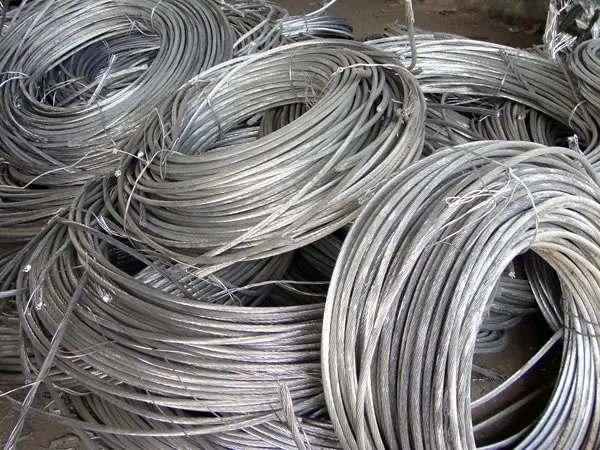
Aluminum Wire
Clean aluminum wire can be considerably more valuable than ordinary mixed aluminum. Some recent market listings have shown clean aluminum wire above $1 per pound. Insulated or contaminated wire generally receives less.
What Determines the Price of Aluminum Scrap?
If you want to get the best possible price, understanding how scrap yards evaluate aluminum is important.
1. Grade and Alloy
Not all aluminum has the same composition. Scrap buyers separate materials into categories because recyclers and manufacturers have different requirements for each type.
Clean 6063 extrusion, aluminum cans, wheels, cast aluminum, sheet, and turnings can therefore have completely different prices.
2. Cleanliness
Clean scrap is easier to process.
For example, aluminum with plastic, rubber, steel, dirt, or other materials attached may be downgraded. Spending a little time separating obvious contaminants can sometimes improve your payout.
3. Quantity
A larger load may give you more negotiating power, particularly if you’re dealing with commercial quantities.
Some yards also offer pickup services for sufficiently large loads, although transportation and minimum-volume requirements vary.
4. Local Market Conditions
Scrap prices aren’t identical across the country.
A yard near a major recycling or manufacturing market may offer a different rate from a yard several hundred miles away. Freight, local competition, processing capacity, and downstream demand all contribute to the difference.
5. Global Aluminum Prices
The broader aluminum market also matters.
Scrap isn’t worth the same as newly produced primary aluminum, but global aluminum prices influence the economics of recycling. Recent market data illustrates this gap: July 2026 aluminum can scrap averaged about $0.69 per pound while the referenced world aluminum price was about $1.43 per pound.
The difference covers factors such as collection, sorting, processing, transportation, and the scrap yard’s margin.
How to Get the Best Price for Aluminum Scrap
If you’re planning to sell aluminum, don’t simply throw everything into one pile.
Try these steps:
- Separate aluminum by type. Keep cans, extrusion, wheels, sheet, wire, and cast aluminum apart.
- Remove obvious contaminants. Take off plastic, steel, rubber, and other materials where practical.
- Keep valuable grades clean. Don’t mix high-value extrusion with low-grade or dirty scrap.
- Weigh your material. Knowing the approximate weight makes it easier to compare offers.
- Call several scrap yards. A difference of just $0.10 per pound becomes significant on a large load.
- Ask about the exact grade. Don’t accept a vague “aluminum” quote if your material may qualify for a better category.
- Check the price before you travel. Scrap prices can change quickly.
Should You Crush Aluminum Cans Before Selling?
Crushing cans can make storage and transportation easier because the same container can hold more material.
However, don’t assume that crushed cans automatically receive a higher price. Some yards have specific requirements for how cans are prepared, while others simply buy them by weight.
The more important thing is to keep cans free of excessive contamination. One current scrap-price guide recommends rinsing beverage residue and notes that crushing can significantly increase storage capacity.
Before crushing a large quantity, ask your local buyer whether they prefer loose, crushed, or baled cans.
How Many Aluminum Cans Make a Pound?
The exact number varies because cans come in different sizes and weights.
As a rough estimate, you may need around 30–35 typical beverage cans to reach one pound, although the actual number can be higher or lower.
That means collecting cans can take a surprisingly large amount of material before the payout becomes substantial.
For example, at $0.70 per pound:
- 10 lb = $7
- 50 lb = $35
- 100 lb = $70
- 500 lb = $350
- 1,000 lb = $700
These are simple estimates before considering the actual rate paid by your scrap yard.
Is Aluminum Scrap Worth Saving?
For a small household quantity, aluminum usually won’t produce a huge payday. But if you have access to a steady supply—such as cans from a restaurant, construction offcuts, old siding, or automotive aluminum—the numbers can add up.
The key is volume plus sorting.
A bucket of mixed aluminum may not be worth much. A properly sorted load of several hundred pounds of higher-grade material is a different story.
For businesses, contractors, property managers, and regular collectors, tracking prices can therefore make a meaningful difference.
Aluminum Scrap Price vs. Recycling Deposit
If you’re selling beverage cans in a U.S. state with a container deposit, don’t automatically assume the scrap yard is the best option.
A deposit refund is based on the individual container, while a scrap yard normally pays by weight. Depending on your state’s deposit amount and the current scrap rate, returning cans for the deposit may provide a better return.
In some cases, however, scrap recycling can be more convenient for large quantities because everything can be weighed and processed together.
It’s worth comparing both options before deciding.
How to Check the Local Aluminum Scrap Price
Because scrap prices vary by location, the most reliable method is to contact several nearby yards on the same day.
Ask:
“What’s your current buying price per pound for clean aluminum cans?”
If you’re selling another type of aluminum, be specific. For example, ask about clean 6063 extrusion, aluminum wheels, or clean aluminum sheet rather than simply asking for an aluminum price.
This prevents you from accidentally comparing different grades.
Also ask whether the quoted price applies to your quantity and whether there are deductions for contamination.
Frequently Asked Questions
What is the average price of aluminum scrap?
There isn’t one universal average. Recent U.S. market data has shown mixed aluminum around $0.72 per pound, while aluminum cans have recently averaged roughly $0.64–$0.69 per pound. Higher-grade materials such as clean extrusion can exceed $1 per pound.
What’s the scrap price of aluminum right now?
Current rates depend on the aluminum grade and your location. Recent 2026 U.S. data suggests many common aluminum scrap categories fall roughly between $0.50 and $1.00+ per pound, while some specialized grades can be worth considerably more. Always confirm the price directly with your local scrap yard before selling.
What’s the scrap price of aluminum cans?
Recent U.S. aluminum-can data has generally been around $0.60–$0.80 per pound, although individual yards have reported rates ranging from roughly $0.45 to $1.00 per pound depending on location and market conditions.
Are aluminum cans worth more crushed?
Crushing cans primarily saves storage space and can make transportation easier. Whether it changes the buying price depends on the scrap yard, so check its requirements before preparing a large load.
Does clean aluminum pay more?
Usually, yes. Clean, properly sorted aluminum is generally easier for scrap yards and recyclers to process and can qualify for a higher grade than contaminated or mixed material.
What type of aluminum scrap pays the most?
There isn’t one universal highest-paying category because prices change by market and location. Clean aluminum wire, certain extrusion grades, wheels, and other high-quality aluminum products can command substantially more than mixed aluminum or turnings.
Do aluminum scrap prices change every day?
They can. Scrap yards base their buying prices on factors including commodity markets, local supply and demand, processing costs, and downstream buyers. Some yards explicitly advise customers to call ahead because prices are subject to daily market changes.
Final Thoughts
So, what’s the scrap price of aluminum? The best answer is: it depends on what kind of aluminum you have, how clean it is, how much you’re selling, and where you’re selling it.
For a general U.S. reference, recent 2026 data puts many aluminum scrap categories in the neighborhood of $0.50 to $1.00 or more per pound, with aluminum cans commonly landing around the $0.60–$0.80 range. Higher-grade aluminum can be worth substantially more.
If you’re ready to sell, don’t rely on a generic national average. Sort your material, weigh it, call two or three local scrap yards, and compare their current quotes. That extra bit of preparation can make a noticeable difference—especially when you’re dealing with hundreds or thousands of pounds.