

For many older adults, getting in and out of a traditional bathtub becomes less comfortable—and sometimes genuinely risky. A high tub wall, wet floor, and lack of support can turn an ordinary bath into a stressful experience. That is where walk in bathtubs for seniors prices become an important consideration for families planning a safer bathroom.
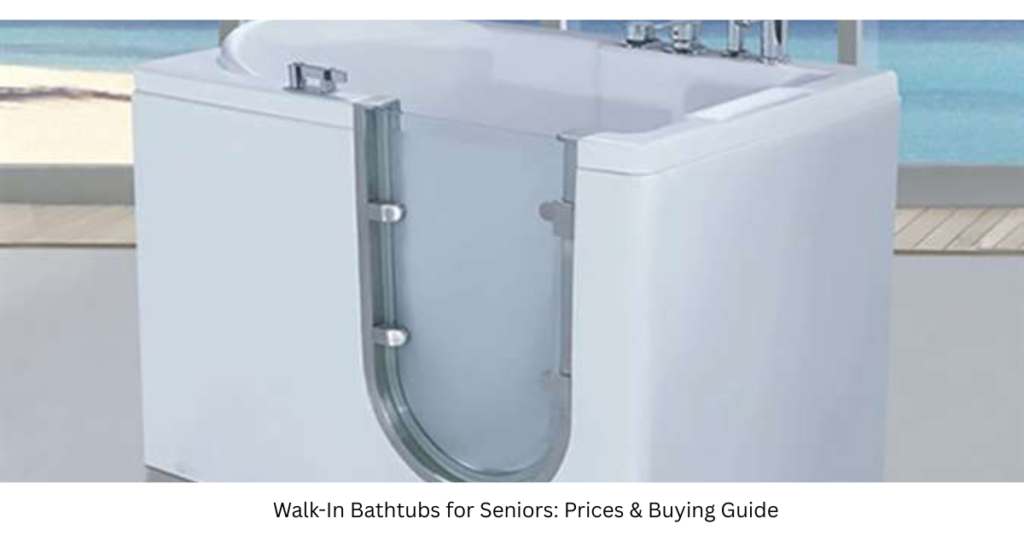
A walk-in tub has a small, watertight door that allows the user to enter without stepping over a tall tub wall. Most models also include a built-in seat, grab bars, a textured floor, and a handheld showerhead. Depending on the model, you can also find features such as hydrotherapy jets, heated seats, quick-drain systems, and low-entry doors.
But there is a catch: prices vary dramatically. A basic tub may cost a few thousand dollars, while a premium model with professional installation and multiple features can push the total well above $15,000.
This guide breaks down what you can realistically expect to pay and, more importantly, what you should look for before spending the money.
How Much Do Walk-In Bathtubs for Seniors Cost?
In the U.S., a walk-in bathtub can cost roughly $2,000 to $20,000 or more for the tub itself, before installation. Once installation, plumbing, electrical work, accessories, and possible bathroom modifications are included, the total project can reach approximately $5,500 to $33,000+ for higher-end installations.
A more typical installed range for a standard walk-in tub is around $3,000 to $20,000, although the final quote depends heavily on the bathroom and the product selected.
Here is a practical breakdown:
| Walk-In Tub Type | Approx. Tub Price | Typical Installed Cost |
|---|---|---|
| Basic soaking tub | $2,000–$5,000 | $5,000–$8,000+ |
| Tub with shower | $2,500–$6,500 | $7,000–$13,000+ |
| Air or water jet tub | $5,000–$10,000 | $7,000–$14,000+ |
| Premium walk-in tub | $7,000–$20,000 | $10,000–$25,000+ |
| Specialty/accessible models | $2,500–$15,000+ | Varies considerably |
These are planning ranges rather than guaranteed quotes. Local labor rates, bathroom layout, tub dimensions, and the amount of remodeling required can move the final price substantially.
What Affects Walk-In Tub Prices?
Two tubs can look fairly similar in a showroom but have very different price tags. The difference usually comes down to the features, materials, installation requirements, and brand.
1. Tub Size and Design
A standard-size walk-in tub may fit into an existing bathtub opening, which can simplify installation. Larger, wider, or wheelchair-accessible designs may require more space and potentially more bathroom modifications.
Before ordering, measure:
- Bathroom doorway width
- Existing tub opening
- Available floor space
- Drain location
- Water supply connections
- Clearance around the bathroom fixtures
A tub that does not fit the existing space can turn a relatively straightforward replacement into a much larger remodeling project.
2. Safety Features
Safety should be the first priority—not an expensive list of luxury extras.
Useful features include:
- Low-threshold entry door
- Built-in seating
- Slip-resistant flooring
- Strategically positioned grab bars
- Handheld showerhead
- Easy-to-reach controls
- Wide door opening
- Stable, comfortable seat
For someone with limited mobility, these features can matter considerably more than decorative finishes or spa-style options.
3. Hydrotherapy and Air Jets
Some walk-in tubs include water jets, air jets, or both. These can make bathing more relaxing and may be attractive to people who enjoy hydrotherapy.
However, they also increase the purchase price and can add maintenance requirements. If the main reason for buying the tub is safer bathing, you may not need every available therapeutic feature.
4. Installation Complexity
Installation is one of the biggest variables in the final bill.
Kohler’s current pricing guide estimates walk-in tub installation at roughly $2,500 to $8,000, depending on plumbing, electrical work, and project complexity.
Costs can increase if the installer needs to:
- Relocate plumbing
- Modify the drain
- Upgrade electrical connections
- Remove an old bathtub
- Repair walls or flooring
- Modify surrounding fixtures
- Install additional waterproofing
This is why comparing the price of the tub alone can be misleading.
Are Cheap Walk-In Bathtubs Worth It?
A low-priced tub isn’t automatically a bad choice. In fact, a basic model may be perfectly suitable if the user primarily needs easier entry, a secure seat, and a slip-resistant bathing surface.
The problem is buying based solely on the advertised price.
A $2,500 tub can become a much more expensive project once delivery, removal, installation, plumbing, accessories, and other work are added.
When comparing quotes, ask:
- Is installation included?
- Is removal of the existing bathtub included?
- Are plumbing modifications included?
- Is electrical work included?
- What warranty comes with the tub?
- Are there additional delivery charges?
- Which safety features are included?
- What happens if the door seal develops a problem?
Always compare the complete installed price, not just the tub’s sticker price.
Walk-In Tub vs. Traditional Bathtub
A traditional bathtub is generally cheaper, but it doesn’t offer the same accessibility.
For an older adult who has difficulty lifting a leg over a conventional tub wall, a walk-in design can be significantly easier to use.
The trade-off is that walk-in tubs usually cost more and require the user to sit inside while the tub fills and drains. That means drainage speed becomes an important consideration.
A good comparison should consider:
| Feature | Traditional Bathtub | Walk-In Bathtub |
| Easy entry | Limited | Excellent |
| Built-in seat | Usually no | Usually yes |
| Door | No | Yes |
| Slip-resistant surface | Varies | Common |
| Accessibility | Lower | Higher |
| Purchase cost | Usually lower | Usually higher |
| Installation | Often simpler | Can be more complex |
Important Features for Seniors
Not every senior needs the same bathtub. The right model depends on mobility, balance, bathroom layout, and personal preferences.
Low-Threshold Door
The lower the entry threshold, generally the easier it is to step into the tub. This is especially useful for people who have difficulty lifting their feet.
Built-In Seat
A built-in seat allows the user to sit down rather than lowering themselves into the bottom of the bathtub.
Check the seat height and width before buying. Comfort matters, especially if bathing takes longer than usual.
Grab Bars
Grab bars provide additional support when entering, sitting down, standing up, or exiting.
Do not assume that a decorative towel bar can substitute for a properly installed grab bar. They serve different purposes.
Slip-Resistant Floor
Water and soap create a slippery environment. A textured or slip-resistant floor can provide additional traction.
Handheld Showerhead
A handheld showerhead makes it easier to wash while seated and can also be useful for rinsing the tub after use.
Fast Drainage
This is one feature worth paying close attention to.
Because the user generally needs to remain seated inside the tub until the water drains below the door, slow drainage can become frustrating. Ask the manufacturer or installer about the actual drainage system rather than relying only on marketing language.
Does Medicare Pay for Walk-In Bathtubs?
This is one of the most common questions families ask.
Original Medicare generally does not treat a walk-in bathtub as standard covered durable medical equipment. Medicare’s official list of covered DME includes items such as walkers, wheelchairs, hospital beds, commode chairs, and certain other medically necessary equipment, but a walk-in bathtub is not listed among those standard covered items.
Medicare Part B does cover certain medically necessary DME when ordered by an eligible healthcare provider, with beneficiaries generally paying 20% of the Medicare-approved amount after the Part B deductible when the applicable requirements are met.
That does not mean every Medicare Advantage plan will treat bathroom modifications identically. Some private Medicare Advantage plans may offer additional benefits beyond Original Medicare, so it is worth contacting your specific plan before assuming you must pay the entire cost yourself.
If a salesperson tells you that “Medicare pays for your walk-in tub,” ask for the exact benefit, documentation, and coverage rules in writing.
Can Insurance or Medicaid Help Pay?
Possibly, depending on where you live and which insurance or assistance programs you have.
Medicaid rules differ by state, and some programs may provide assistance for home modifications or accessibility improvements when specific eligibility and medical-necessity requirements are met.
Private insurance policies also vary. Before making a purchase, contact your insurer and ask specifically about:
- Bathroom accessibility modifications
- Durable medical equipment
- Home medical equipment
- Medical necessity benefits
- Long-term care benefits
- Home modification programs
Don’t rely solely on a contractor or salesperson to determine your coverage.
How to Get the Best Price on a Walk-In Tub
You don’t necessarily need the most expensive model to get a safer bathroom.
Try this approach:
1. Decide What You Actually Need
Make a short list of essential features.
For example:
- Low entry
- Comfortable seat
- Grab bars
- Slip-resistant floor
- Handheld shower
- Fast drainage
Then treat hydrotherapy, heated surfaces, lighting, and other extras as optional.
2. Get at Least Three Quotes
Prices can vary significantly between companies. Get several written estimates and make sure each quote covers the same scope of work.
A $9,000 quote isn’t necessarily better than a $7,000 quote if the cheaper estimate includes the same installation and warranty.
3. Ask for an Itemized Quote
Instead of accepting one large number, ask the company to separate:
- Tub
- Delivery
- Removal
- Installation
- Plumbing
- Electrical work
- Accessories
- Bathroom repairs
- Taxes
- Warranty
This makes it much easier to identify hidden costs.
4. Don’t Let a “Today Only” Discount Rush You
Walk-in tubs can be expensive purchases. If a salesperson offers a huge discount only if you sign immediately, take a step back.
Get competing quotes first and compare the actual specifications.
5. Check the Warranty
A bathtub is a long-term purchase. Read the warranty carefully and find out whether it covers:
- Door seals
- Pumps
- Heaters
- Jets
- Faucets
- Labor
- Installation defects
A long warranty isn’t useful if important components or labor are excluded.
Are Walk-In Tubs Better Than Walk-In Showers?
Not necessarily. It depends on the person’s needs.
A walk-in tub can be a good choice for someone who enjoys bathing and wants a built-in seat, low-entry door, and soaking experience.
A walk-in shower may be more practical for someone who mainly showers, wants faster entry and exit, or doesn’t want to wait for a tub to fill and drain.
For some seniors, a low-threshold shower with a built-in bench and properly installed grab bars may be a simpler accessibility solution.
The best option is the one that matches the person’s mobility and bathing habits—not necessarily the most expensive bathroom product.
Questions to Ask Before Buying
Before signing a contract, ask the installer these questions:
- What is the complete installed price?
- Does the price include removal of my old tub?
- Will my existing plumbing work?
- Will the drain need to be relocated?
- Is electrical work included?
- How long will installation take?
- What happens if the tub doesn’t fit?
- How quickly does the tub drain?
- Who handles warranty repairs?
- Are parts readily available?
- Can I see the warranty before purchasing?
- What is the cancellation policy?
Getting clear answers upfront can prevent unpleasant surprises later.
Frequently Asked Questions
How much does a walk-in bathtub cost for seniors?
A walk-in bathtub can cost around $2,000 to $20,000 or more before installation. A fully installed project can range from several thousand dollars to more than $20,000 depending on the tub, features, labor, and bathroom modifications.
What is the average price of a walk-in tub installed?
There isn’t one universal average because installation conditions vary. A practical planning range is roughly $5,000 to $15,000 for many standard projects, while premium installations can cost considerably more. Current industry pricing guides show total project ranges extending above $20,000 for higher-end installations.
Does Medicare pay for a walk-in bathtub?
Original Medicare generally does not list walk-in bathtubs as covered DME. Medicare Part B does cover certain medically necessary DME, but a walk-in bathtub is generally considered a bathroom modification rather than one of the standard covered DME categories.
Are walk-in tubs safe for elderly people?
They can improve bathroom accessibility by reducing the need to step over a conventional tub wall and by providing features such as built-in seating, grab bars, and slip-resistant surfaces. However, the tub should be properly installed and selected according to the user’s mobility needs.
What is the biggest disadvantage of a walk-in tub?
The biggest practical drawback is that the user usually needs to remain inside while the tub fills or drains. A slow drainage system can therefore be inconvenient. The higher purchase and installation cost is another important consideration.
How long do walk-in tubs last?
The lifespan depends on the construction, components, maintenance, installation quality, and frequency of use. Before buying, check the manufacturer’s warranty and ask about replacement parts and servicing.
Are walk-in tubs worth the money?
For someone who struggles to enter or exit a traditional bathtub, the added accessibility can make a walk-in tub worthwhile. For someone who rarely takes baths and mainly wants quick showers, a properly designed walk-in shower may offer better value.
Final Thoughts on Walk-In Bathtubs for Seniors Prices
When researching walk in bathtubs for seniors prices, don’t focus on the lowest advertised number. The real cost includes the tub, installation, plumbing, possible electrical work, accessories, and any bathroom modifications.
For many buyers, a sensible approach is to start with the safety essentials—easy entry, a comfortable seat, grab bars, a slip-resistant floor, handheld shower, and reliable drainage—then add luxury features only if they genuinely provide value.
Most importantly, compare several fully installed quotes, read the warranty, and verify any insurance or Medicare claims before signing a contract. A little research upfront can make the difference between an expensive impulse purchase and a bathroom upgrade that provides useful accessibility for years to come.